October 08, 2026
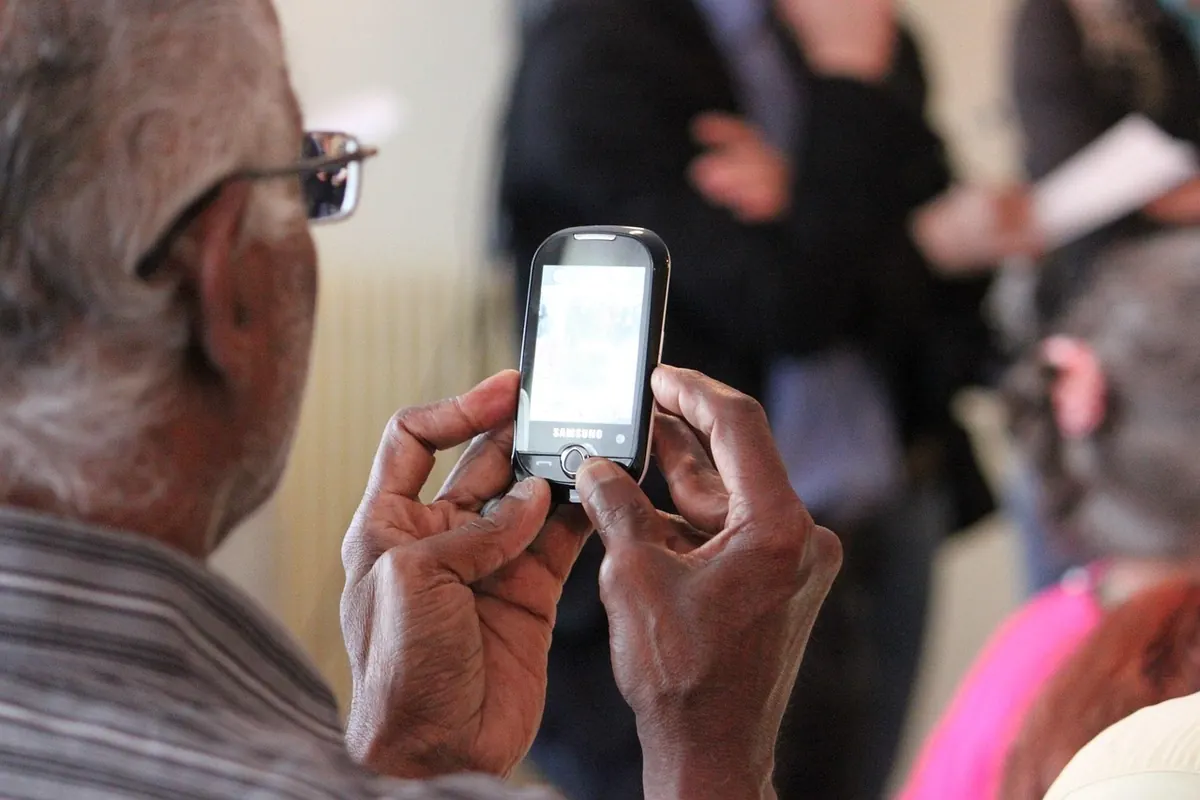
Someone in your feed posts a photo of a smoking building with a one-line caption: explosion, city centre, stay away. Within a minute it's in three group chats. Within five, a relative has forwarded it to forty people who work two streets from the address given. Nobody in that chain has checked a thing. The photo, it turns out, was taken in another country four years ago and has been circulating ever since.
This is not a story about gullible people. It's about how quickly a plausible thing travels when everyone in the chain assumes someone else has already done the checking. During a fast-moving story, that assumption is the most dangerous part of the whole process — and it's the one you can personally switch off.
Why the first ten minutes are the worst time to share
Breaking news is messy by definition. The first reports of a fire, an accident or a security incident are usually wrong in at least one detail: the number of people involved, the location, the cause, sometimes the basic nature of what happened. Newsrooms know this and still get it wrong; they build corrections into their day. A personal account has no such mechanism. Whatever you post sits there, screenshot-able, shareable, and detached from the correction you might make an hour later.
The other thing working against you is emotion. Fear, anger and the urge to warn people all push toward speed. A post that says please share, someone must know is designed to bypass exactly the pause that would help.
So the checklist below is deliberately boring. Ask the questions in order. Most false updates collapse at question one or two.
The checklist: ten questions before you share
- Who said it first, and are they in a position to know? Trace the claim back to its earliest version. A police statement, a hospital, a transport operator, a named reporter standing on the corner — each carries different weight and different limits. "A friend in the area" is not a source. It's a relay.
- Can you see the original, not a screenshot of it? Screenshots crop, edit and invent, and they strip the date, the account name and the replies that may already be correcting the claim. If the only version in circulation is a screenshot, treat it as unverified no matter how clean it looks.
- Does the link actually say what the post claims? Open it. Headlines get stretched into something they never said, and plenty of posts cite an outlet that published nothing of the sort. If there is no link at all, you're looking at a rumour with good lighting.
- What does the account's history look like? An account created three weeks ago, posting dramatic footage from five different countries a day, is not a news source. That isn't proof of bad faith on its own, but it changes how much weight the claim deserves.
- Has anyone independent confirmed it? Two outlets running the same agency copy is one source, not two. Look for a separate line of confirmation: a different reporter, a different institution, someone with direct knowledge and a name attached.
- Is the image or video from here and now? Run a reverse image search where you can. Then check the details that are hard to fake — shop signs, number plates, street furniture, the language on a road sign, the weather, the quality of the light. Old footage with a new caption is the most common trick in circulation.
- Does the timeline hold together? Watch for posts that say "just now" when they were written in another time zone, casualty figures that appear before anyone could have counted them, and quotes from officials who were not yet at the scene.
- Who gets named, and what happens to them? Casualty names, minors, people merely detained, anyone accused but not charged. Families often learn the worst news from a post. Keep names out of your own updates until there is official confirmation, and even then ask whether you need to be part of that distribution.
- Who profits or panics if you share it? Fake donation pages, invented missing-person appeals and accounts that farm disaster for followers rely on your good intentions. Check where the money would go before you amplify it, not after.
- What does waiting ten minutes actually cost? Most of the time, nothing. You are almost never part of the official warning system. Ask whether being first matters more than being right, and answer honestly.
How to read a photo or video under pressure
Images feel like proof, which is why they spread fastest and mislead most. Three quick checks cover most of it.
Look at the edges
Shopfront names, bus numbers, the colour of a taxi, a street sign in an unexpected alphabet — these are the details an old clip carries with it when someone moves it to a new country. Zoom in. Pick one feature and search for it.
Look at the weather and the light
Heavy coats in a summer story, bare trees in a place known for evergreens, deep shadows that don't match the reported time of day. Footage doesn't lie about the season, only the caption does.
Look for the moment before and after
Edited clips usually cut where context would sit. If a video begins mid-shout or ends mid-sentence, consider what was happening either side of the cut. Longer, rougher, less shareable footage is often the more honest version.
If you've already shared something that turned out to be wrong
It happens, including to people who know better. Correct it in the same place, as loudly as you shared the original. Say plainly what you posted, what was wrong with it, and what is now known. Don't quietly delete and hope the archive forgets; silent deletions leave the false version running in the group chats you can't see.
And resist the temptation to scold whoever shared it first. Nobody passes along a rumour because they want to be wrong. They do it because they want to be useful. Point them at the correction and move on.
A habit, not a hurdle
The standard isn't could this be true? Plenty of false things are perfectly plausible. The standard is can I show my working? If you can't name where it came from and why that source would know, you don't have information worth passing on. You have a feeling with a caption.
Ten minutes is almost always available. Use them. Read the replies, open the link, search the picture, and then decide. Being the second person to share a verified update is a fine place to be — and far better than being the first to spread a mistake.
Photo: jcfrog / Pixabay