October 22, 2026
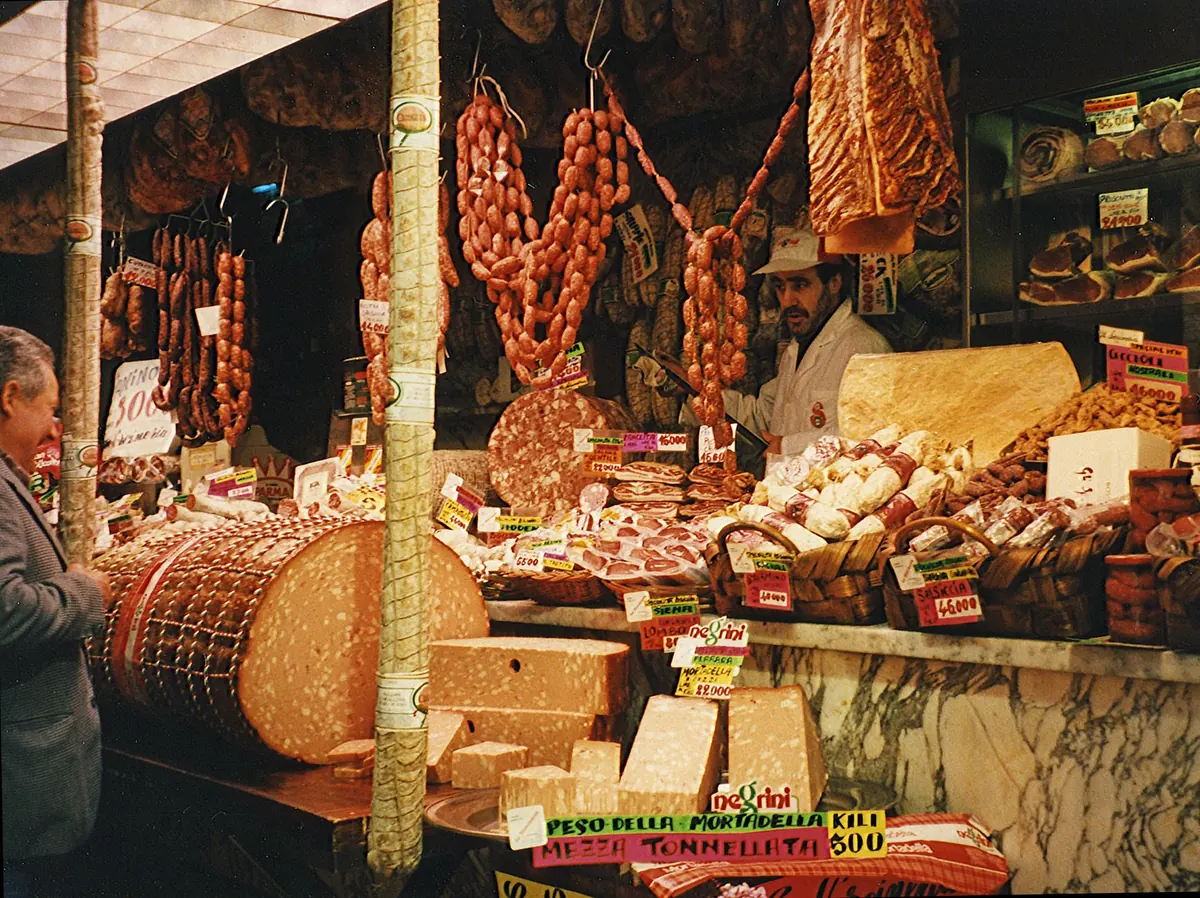
An Italian food story can usually be read in about thirty seconds, because most of them follow the same shape. A name is being defended. A recipe is being corrected. A supermarket shelf is being accused of something. Somewhere, a ministry official is explaining patiently that Brussels has got it wrong again.
Underneath the noise, these are not really arguments about taste. They are arguments about who gets to use a word, who gets to sell a product, and who gets to decide what counts as authentic. Once you can see those three questions, the headlines stop looking random.
The label is the business model
Start with the acronyms on the jar. DOP (PDO in English) means a protected designation of origin: every stage of production happens in a defined area. IGP (PGI) means protected geographical indication, where at least one stage — production, processing or preparation — happens there. STG (TSG) is different again: a traditional specialty guaranteed, which protects a method or recipe rather than a place. Pizza Napoletana, for instance, is a TSG, not a DOP.
Italy holds more protected food and wine names than any other EU member state, and the number matters less than what protection actually does. Behind each registered name sits a specification, a written rulebook covering ingredients, techniques, geographical limits and inspection. Behind that sits a consortium, which polices the name and answers the phone when a foreign producer uses it.
None of this is decorative. For a few hundred small producers in a single valley, the registered name is the asset — the reason their product can sit on a shelf in Tokyo at a different price from a generic rival. When a court in Luxembourg or a negotiator in Brussels touches that name, they are touching payrolls. That is why statements from consortium presidents sound so heated.
Three arguments that keep coming back
Almost every food-labeling row in the Italian press is a variation on one of three disputes:
- Who may use the word. "Parmesan" is not a generic term for hard grating cheese; the EU's top court has said so. Croatia's bid to protect Prošek ran into sustained Italian opposition. Nobody in Modena is relaxed about the word "balsamic".
- What is allowed inside. Cream in carbonara. Pineapple on pizza. Whether a jar of pesto may carry the name if it swaps basil for pistachio. These are recipe-policing arguments, and they are almost always about naming rights rather than dinner.
- What the package must say. Front-of-pack nutrition labels, country-of-origin declarations, health claims. This is where technical text becomes a national talking point overnight.
Notice how different the three are. The first is a trademark-style fight, the second is cultural, the third is regulatory. They get bundled together in coverage because all three involve food and identity, but they go through completely different institutions.
Brussels is in the kitchen, whether anyone likes it or not
Food labeling is largely EU competence, which means Italian producers help write the rules and then have to live with them. Recent examples are worth keeping in mind when the next story breaks: revised marketing standards for honey, jams and fruit juices, including clearer origin labeling for honey; new requirements for wine labels to declare ingredients and energy, often delivered through a QR code; and a long-running argument about origin labeling for durum wheat in pasta, which Italy introduced and which had to be squared with single-market rules.
Brussels does not only say yes to restrictions. In 2020, MEPs rejected an amendment that would have reserved meat-related words — burger, sausage, escalope — for animal products, a relief to producers of plant-based alternatives and a disappointment to farming groups. That vote is useful context: EU law is not simply a machine for entrenching tradition.
Where Rome pushes back
Italy has its own preferences. It has argued against Nutri-Score, the French-origin front-of-pack label, on the grounds that a single letter can penalise foods eaten in modest portions — olive oil being the example everyone cites — and has promoted an alternative battery-style graphic showing energy and nutrients as a share of daily intake. Italian governments have also been vocal about "dual quality" products sold under the same brand with different recipes in different countries, an issue that reached EU consumer law rather than the food register.
Tradition has a date of birth
Here is the awkward part. To protect a tradition, someone has to write it down, and writing it down changes it. A specification has to fix quantities, timings and permitted ingredients for a dish that in practice varied from kitchen to kitchen.
Carbonara is, by most accounts, a twentieth-century dish. Tomato sauce only became possible after tomatoes arrived from the Americas. Tiramisu has a documented recent history and several towns that would like to claim it. None of that makes the food less good or less meaningful; it makes it human. The registered version is a snapshot, taken for legal reasons, of something that was moving.
This is why arguments about "the real recipe" tend to be circular. There is a canon — guanciale, egg, pecorino, pepper — and there is also a long history of households doing something else. The canon exists because a canon is useful when you are selling, teaching or defending a name.
Local pride, and local rivalry
Foreign coverage often treats Italy as a single food culture defending itself against the world. The reality is more entertaining: much of the energy is internal.
Consider balsamic. Aceto Balsamico Tradizionale di Modena is a DOP, aged for years in a series of wooden casks and sold in small bottles. Aceto Balsamico di Modena is an IGP, produced on a far larger scale. Two different products, two different rulebooks, one confused international public. Similar frictions run through Pistacchio Verde di Bronte, Pomodoro San Marzano dell'Agro Sarnese-Nocerino, and the many towns with opinions about sausage.
Protection also has costs and limits. Certification involves inspections and fees, which small producers sometimes find hard to absorb. A DOP mark guarantees origin and method; it says nothing about whether a product is good for you or even especially good. And a registered name only binds those selling inside the register — a "Italian-style" dressing on a foreign shelf is usually outside it entirely.
How to read the next food headline
When a story lands about a protected name, a banned recipe or a label change, a few quick checks will tell you what you are actually reading.
- Identify the instrument. Is this an EU regulation, a registered geographical indication, a national decree
Photo: Pam Crane / Pexels