October 19, 2026
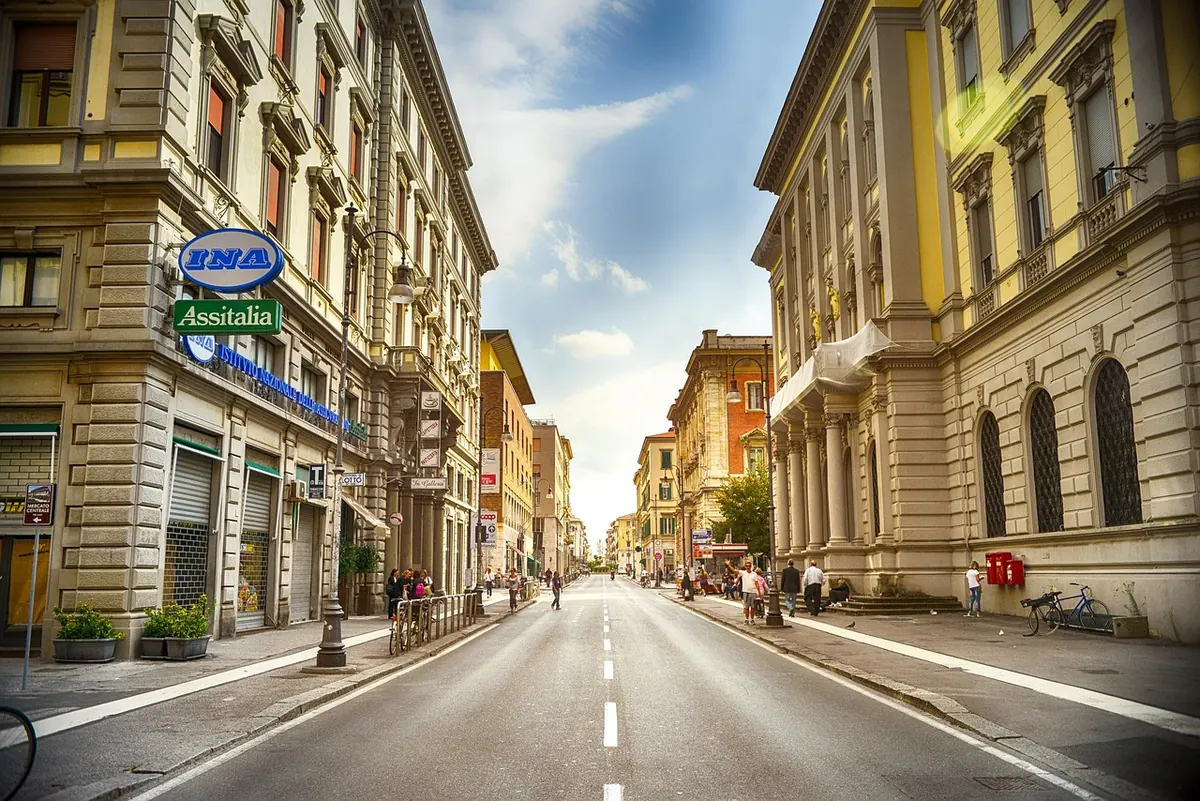
Every August the same assumption settles over newsrooms: the country has emptied out, the phones have stopped ringing, and the sensible move is to run the light stuff until September. It is a tempting reading of the calendar. Parliament goes quiet, ministries issue fewer press releases, and half of Rome seems to be on a beach in Puglia. But the news does not stop in August. It changes address. It moves to the piazza, the town hall with the shutters half down, the coastal hospital serving a population five times its usual size, the provincial road where the resurfacing work has finally begun. Covering the month well is less about hunting for stories than about knowing where they went.
Where the News Actually Goes
The national calendar thins for reasons that are institutional, not mysterious. Parliamentary business is scheduled around a summer pause, many offices work on reduced hours, and trade associations stop publishing. What does not pause is the country's physical life. Wildfire season is at its peak in the south and on the islands. Tourist numbers hit their annual high in the same weeks that local services are staffed for a normal month. Harvests start. Rail and road maintenance crews work the hours they cannot work in May. Water restrictions, beach rules and waste collection all become live municipal questions.
That is your beat list for the month, and it is longer than the September one. The mistake is treating August as a hole in the diary rather than a different assignment.
Begin With the Ordinanze
If you only make one habit this month, make it this one: read the ordinanze. Italian mayors issue a stream of them in summer, and they are published in the albo pretorio online, usually as searchable PDFs on the comune's website. They cover beach behaviour, fire prevention, water use, noise, street trading, access to nature reserves, and the temporary closing of everything from a bridge to a swimming spot.
Each one is a small story with a public-interest core. Who asked for the restriction? What happened last year to prompt it? Is it being enforced, and by whom? A single ordinance on water use in a tourist town can carry you into the utility, the regional authority and the residents who have been asked to cut back while the hotels fill up. The same logic applies to delibere and determine — the council resolutions and spending decisions that keep appearing through August, often with fewer journalists reading them.
Local Rituals Have Real Stakes
Sagre, palii, processions and patron saint festivals are easy to file as colour. Filed that way, they are forgettable. Reported properly, they are stories about money, labour and belonging. The Palio in Siena, the great August processions, the village festivals that fill the calendar from the Alps to Sicily: each one involves a committee, a budget, volunteers who have been preparing since spring, and a town whose economy may hinge on the week.
Ask the questions that outlast the photographs:
- Who organises the event, and how is it funded — public money, sponsors, the parish, ticket sales?
- Who does the unpaid work, and what happens to the festival when those volunteers age out?
- What does the event do for the local economy the other eleven months of the year?
- Who is left out — residents priced out of the square, traders moved on, young people who have left for work?
That last question is often the best story in the town, and August is when the people who left come back and will happily talk about why.
Politics Moves South, and So Do the Sources
National politics does not vanish; it relocates. Party leaders tour the coast and the islands, ministers hold summer meetings, and the season's kermesse — the Festa dell'Unità tradition on one side, the Rimini Meeting in late August on the other, the Venice Film Festival closing the month — give you set-piece opportunities where politicians are unusually available. Mayors of tourist-heavy cities also become national voices in August, because overtourism, water supply and coastal erosion are no longer local curiosities.
Here is the practical advantage: in August, a mid-ranking official or a councillor will take a call that would be impossible in October. Use it for the story you want in September. Ask what is coming: the budget, the school year, the party congress, the plan for the coastal defence scheme. You are not chasing the news of the day; you are booking the news of the autumn.
The Documents Nobody Reads in July
Quiet offices answer requests. Access to administrative documents — the accesso civico and accesso agli atti procedures — tends to move faster when the person handling it has an empty inbox. August is the month to file the requests you have been putting off: procurement records for waste collection or beach concessions, the minutes of council committees, the maintenance contracts on the road that floods every November.
Then use the time to build the explainers that will sit under every story you write in the autumn. How does the region allocate wildfire prevention money? Who inspects the beaches? What exactly does the water utility measure, and where is it published? A good explainer written in the dead weeks of August will be read for a year.
Service Journalism That Earns Its Place
Readers need practical information in August more than in any other month, and the pieces that answer real questions travel further than any seasonal feature. Heat and health, water restrictions, transport disruption, wildfire prevention rules and what to do when a booking is cancelled are all legitimate news subjects, not filler.
Two cautions. First, be precise and modest: on health, legal and consumer questions, say clearly what the general position is and direct readers to a doctor, a lawyer or a recognised consumer association for their own case. Second, avoid the annual genre of the "empty city" piece. Rome in August is not empty; it is a city of residents, tourists and workers managing a month without the usual crowd of commuters. Report that, and you will have something true.
A Workable August Routine
With a thin staff and a long month, rhythm matters more than ambition. A structure that works for a small newsroom:
- Monday: documents. Read the albo pretorio of your main comuni, the regional bulletins, the utility notices. Log three follow-ups.
- Tuesday and Wednesday: calls and field visits. Book interviews for the autumn while people are relaxed, then go and stand in the square, the festival, the queue at the guardia medica.
- Thursday: write the service piece and the explainer. They will still be useful in six weeks.
- Friday: plan. List the five stories you expect to run in the first fortnight of September, and note who you still need to call.
Keep a running list of the small things — a closed footbridge, a cancelled bus route, a festival looking for volunteers — that only become stories when someone notices. In August, you are often the only one noticing. That is not a slow month. That is an advantage.
Photo: stokpic / Pixabay